


Vacuum Forming in Aerospace: Precision Meets Performance
Vacuum Forming in Aerospace: Precision Meets Performance
A quiet powerhouse in the sector
A quiet powerhouse in the sector
In an industry where every gram counts and safety is non-negotiable, the manufacturing processes behind the scenes must be nothing short of exceptional. While carbon fiber and advanced alloys often steal the spotlight, vacuum forming remains a quiet powerhouse in the aerospace sector.
From the nimble agility of tactical drones to the sprawling cabins of commercial jumbo jets, thermoformed components are the invisible architecture of modern flight. Here is how vacuum forming bridges the gap between high-precision engineering and high-stakes performance.
From Drones to Defense: A Universal Solution
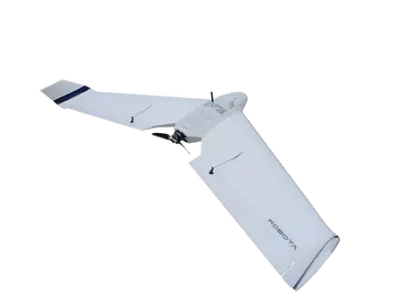
Vacuum forming isn't limited to a single niche. Its versatility allows it to scale across the entire spectrum of aviation:
- Unmanned Aerial Vehicles (UAVs) & Drones: Lightweight housings and aerodynamic fairings that protect sensitive electronics without dragging down flight time
- Commercial Aviation: The interior touchpoints passengers interact with every day, from meal trays to overhead bin components.
- Military & Defense: Rugged, high-specification protective covers and specialized ducting designed to withstand extreme environments.
- Aerospace Modeling: Precision-scaled prototypes used for wind-tunnel testing and design validation.
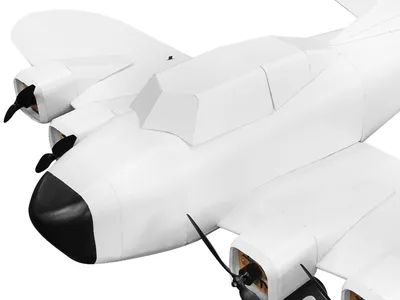
- Model and RC Planes: Miniaturised or self-designed planes for hobbyists and enthusiasts
Key Applications: Where Performance Takes Shape
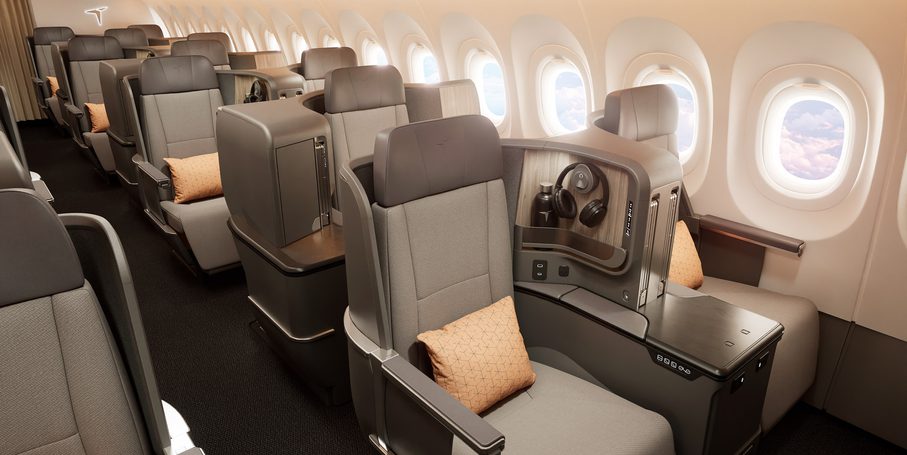
Aerospace manufacturers rely on vacuum forming for parts that require complex geometries and "Grade A" finishes. Common applications include:
Interior Cabin Architecture
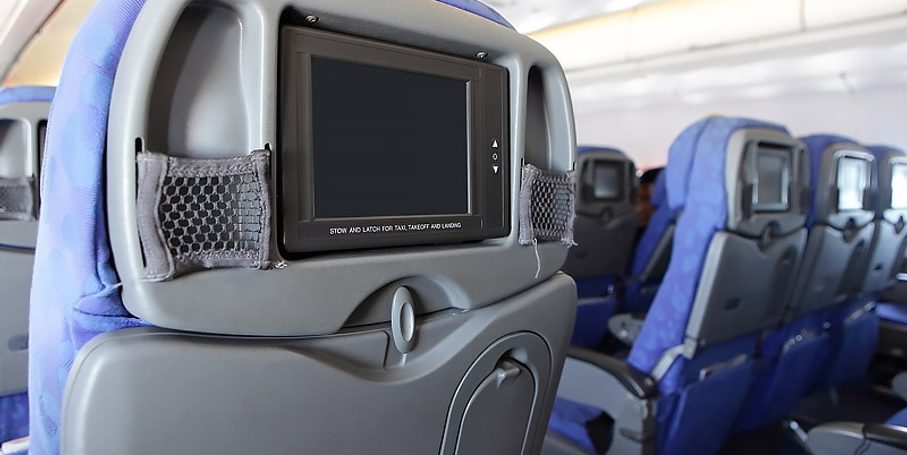
Large-scale panels, window reveals, and seat back components are often thermoformed. These parts must meet stringent FST (Flame, Smoke, and Toxicity) standards while remaining aesthetically pleasing for passengers.
Protective Housings and Covers
Sensitive cockpit instrumentation and external sensors require durable shielding. Vacuum forming allows for the creation of custom-fit covers that snap into place with tight tolerances.
Air Handling and Ducting
Complex, lightweight ducting systems that manage cabin airflow are frequently produced via vacuum forming, as the process can handle intricate curves that would be difficult or expensive to achieve with injection molding.
The Strategic Advantage: Why Vacuum Forming?
Why do aerospace engineers consistently return to vacuum forming? It comes down to four critical pillars:
- Weight Reduction: Plastic thermoformed parts are significantly lighter than metal counterparts, directly improving fuel efficiency.
- Cost-Efficiency: Lower tooling costs compared to injection molding make it ideal for low-to-medium volume production runs.
- Speed to Market: Prototyping and final production can happen in a fraction of the time, allowing for rapid design iterations.
- Customization: The ability to use specialized, high-performance polymers (like Kydex or Ultem) tailored to specific aerospace requirements.
Engineering the Future
As the industry moves toward more sustainable and efficient flight, the role of precision thermoforming only grows.
Modern equipment, like the Formech 508DT, which has become the desktop standard for high-precision prototyping, allows engineers to test and validate aerospace components faster than ever before.
Larger, automated machines, like the Formech HD686 and Formech TF750 are designed and built to handle manufacturing requirements of aerospace applications.
By combining the speed of vacuum forming with the durability of advanced aerospace plastics, manufacturers aren't just making parts; they are optimizing the future of flight.
Find out more
Take our Find Your Solution questionnaire help us identify the best Formech vacuum forming machine for your needs and provide a bespoke quotation. You can also Contact us for more information on vacuum forming machines for the aerospace industry.